How Does the Gut Microbiome Affect Your Immune System
Hey there!
Welcome to December!
This time can be difficult for a lot of people. The darkness, the cold and the holiday expectations.
I feel it too, which is why I wanted to just reach out and offer some tools and resources to help you get through this time of the year (and yes… we are almost there).
In my last newsletter, I talked about writing an article on how our gut microbiome affects our immune system.
So keep reading until the end of this letter to get access to that.
Firstly, I just want to say thank you to all of you who are subscribed to my newsletter. I would like to give you some updates of what you can expect in the near future.
I will be hosting a new podcast for the Naturopathic Medical Association and that should come out sometime in the spring, June the latest. I will be starting to record the episodes in January so stay tuned and let all your friends know!
I have been working very hard all year studying for the pharmaceutical prescribing exam (this Saturday!) so that I can be ready for the new regulatory changes that the government is rolling out for Naturopathic Doctors here in Nova Scotia. It’s very exciting, which will allow me to do so much more to help my patients. This is also top secret so stay tuned for that also.
There will be some changes in the visit structure and the fee schedule starting in the new year, January 1st 2025. I will post the new price list at the end of this newsletter.
So without further ado, here is the article.
How Does The Gut Affect Our Immune System?
In this three part series were going to explore how our digestive system or commonly known as our “gut” influences our:
Immune System
Mental Health
Our Overall wellbeing and what happens in chronic disease such as auto-immune and degenerative conditions.
Let’s dive into the immune system!
The immune system is the body’s way of keeping you safe from harmful microbes. It is composed of immune cells, proteins and organs which includes the gut.
In fact, the gut has its own branch of the immune system called the Gut Associated Lymphatic Tissue or GALT. One of the functions of the GALT is to serve as education centres for the immune cells. Think of it like universities where your immune cells are taught how to protect you from invaders.
The immune cells comprises of different types of cells, some of them are first responders, some hold memory and keep a library of information about all the microbes you encountered in your life and some use really creative tactics to destroy pathogens such as eating them, puncturing holes in them, decapitating them and saving pieces of them to bring to other immune cells and even self destructing. The immune system is extremely powerful and when they are working the way they are supposed to, they keep you from getting sick. The immune cells fight off “pathogens” which usually come from the outside such as bacteria but can also be from the inside such as cancer cells. Think of them as your police force, security and military operations of your body. When they get out of control, it can lead to problems which we will touch on in later articles.
The immune cells, just like us, start off “naive” and need to be educated. They get educated by other immune cells, immune organs such as the thymus gland, the liver, bone marrow, the lymphatic system and of course the gut. They do this by presenting them with pathogens which they learn to distinguish what is harmful and what is not. Many of these organisms that they are exposed to are bacteria, yeast, viruses and parasites.
Did you know that you have about 40 trillion bacteria in your body? Which is about the same amount of cells you have in your body!
Given the number of these tiny living organisms in your body, you have to wonder if they have a function other than just sitting there.
You have probably been taught how “germs” are bad and that we need to do everything possible to sanitize, disinfect and kill them. Although it is true that there are some really bad germs out there, there are also some really beneficial ones. In fact, the majority of bacteria in our gut are beneficial. We call them “commensals”.
These beneficial bacteria help the gut absorb nutrients, heal the gut lining, reduce inflammation and even tell the brain what sort of food they need to thrive.
This is why when you eat certain foods, the bacteria that feed off those types of foods will tell your brain to eat more of those foods causing you to crave those foods.
Okay, I just confused you. Let me explain.
If you feed the bacteria that like unhealthy food, then you will also begin to crave those types of foods as they populate in your gut. This is why in certain cases where “fecal transplant” is involved, a person who is “normal weight” can become overweight after being transplanted poop from an obese individual. This is also true for certain mood disorders such as a recipient becoming depressive after receiving a transplant from someone who has depression. We'll touch on this in the next article.
And for those who don’t know, fecal transplant is exactly as it sounds. Taking feces from one person and introducing it to another person, usually to fight off a severe bacterial overgrowth that is resistant to antibiotics such as C. Difficile. C.Diff for short.
Yes, C.Diff is very bad, and smells very bad too. I’ve encountered it myself when I used to work in the hospitals as a Registered Nurse. Sometimes however, drastic problems need drastic solutions which highlights how the gut microbiome plays such a huge role in how we fight off infections.
Another role of commensal bacteria is to take up space in your gut to prevent the growth of “bad bacteria” from becoming too numerous. Think of your gut as a tropical rainforest. What happens when you clear cut the forest for a single monoculture crop? Well, we lose the diversity of not only plant life that live there but also all the living organisms, animals and yes including bacteria, viruses and fungi that live there to help make that ecosystem a healthy and balanced.
This sometimes happens in our gut due to “over killing” of these so-called “bad bacteria” which in some cases is necessary especially if they can make us sick just like the C.Diff example I gave above. Sometimes however, we do end up breeding a super bug that is very resistant to our antibiotics just like the C.Diff infection! We do this through over use of antibiotics and sanitization. In doing so, we also kill off some of the “good bacteria” that are keeping the bad ones at bay and the bad ones evolve stronger and stronger until our medicines no longer work against them. It is like burning down those universities where the little immune cells are trained. We are left completely defenseles.
The good news is just like we can re-plant a forest, we can also re-populate our gut microbiome. It doesn’t have to be as extreme as the fecal transplants but we can start by choosing to eat the right foods that will feed the “good guys”. We call them pre-biotics. We can also consume the microbes themselves through “probiotics” but it is important to get familiar with your gut first to make sure that you are not feeding the wrong bacteria or this can lead to an overgrowth causing problems like bloating, gas, diarrhea, constipation, cramps, food sensitivities and intolerances and even fatigue, brain fog, mood changes and skin rashes.
If you think you may be having symptoms of “bacterial overgrowth”, I offer tests that could map out your entire GI system, allowing us to see the terrain of your gut. It is like mapping out the rainforest and figuring out the species of organisms that live there. The more diverse the ecosystem is usually a sign of a healthy gut.
If you are interested in a detailed gut microbiome test, feel free to book an appointment through the link below.
The gut microbiome is the complex ecosystem of tiny living organisms that make up those 40 trillion bacteria and countless of yeast and even viruses that live in our digestive tract. They all play an important role in the health of our immune system.
If you are curious about how you can start to take care of your gut, I left 3 free helpful tips you can start doing right now to take care of your gut!
So that is all, I hope this has been helpful for you! Next month, we will go over how the gut microbiome affects our mood and mental health!
If you’d like to support me, please write me a google review! The reviews help my practice tremendously!
https://g.page/r/CdJQzrg0M_R1EAE/review
In good health!
Dr. H!
Here are 3 FREE Things you can do RIGHT NOW to help your gut!
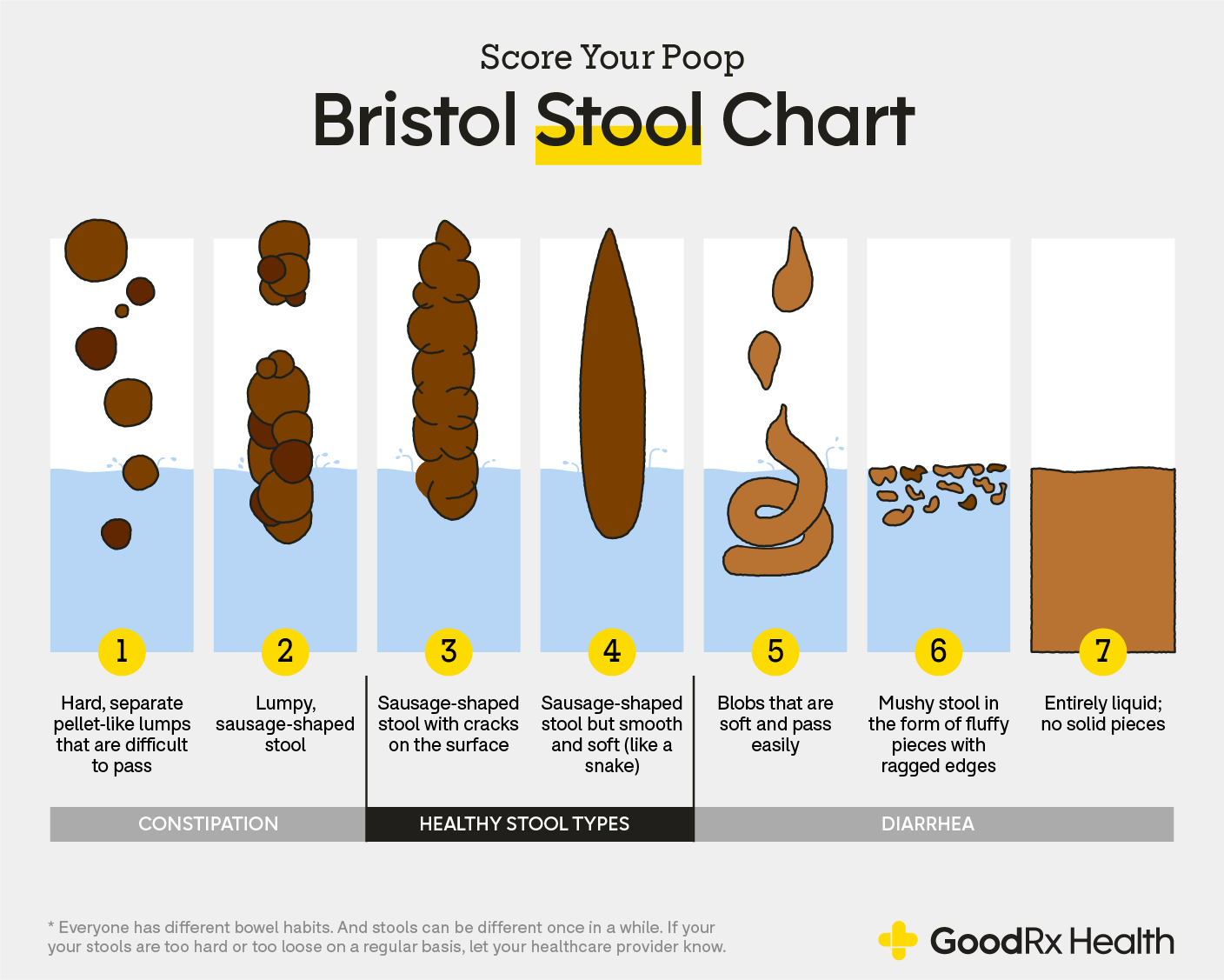
💩 Look at your poo! Your poo will tell you a lot about your gut health. There is a tool called the bristol stool chart. Have a look at it and see where you are at. You should be pooping 2-3 times a day. Once is not enough! Having stools in your gut for a long time will lead to reabsorption of toxins back to your body which leads us to tip number 2! (Get it, #2?!?) haha 😂
🌿 Have enough fibre! How much fibre? 25-30 grams a day! How do you measure that? There are tons of calculators out there! If you can count your calories and protein, you should be counting your fibre more. Be careful though. If you are not used to eating that much fibre, it can cause some tummy upset so increase slowly.
💦 Drink lots of water! With all the fibre (which most are pre-biotics) you will need a way to flush it all out! Drink 2-3 Litres per day. Again, start slowly and gradually increase or you’ll be running to the bathroom every 5 minutes.
If you start with those three things, getting to know your poo, eating more fibre and drinking more water, your little army of gut microbes will thank you and in turn help educate and strengthen your immune system. Think f your immune guys like they’re fresh off bootcamp! 👮You will be on your way to colonizing a tropical rainforest in your gut teaming of life!
💩🌿💦